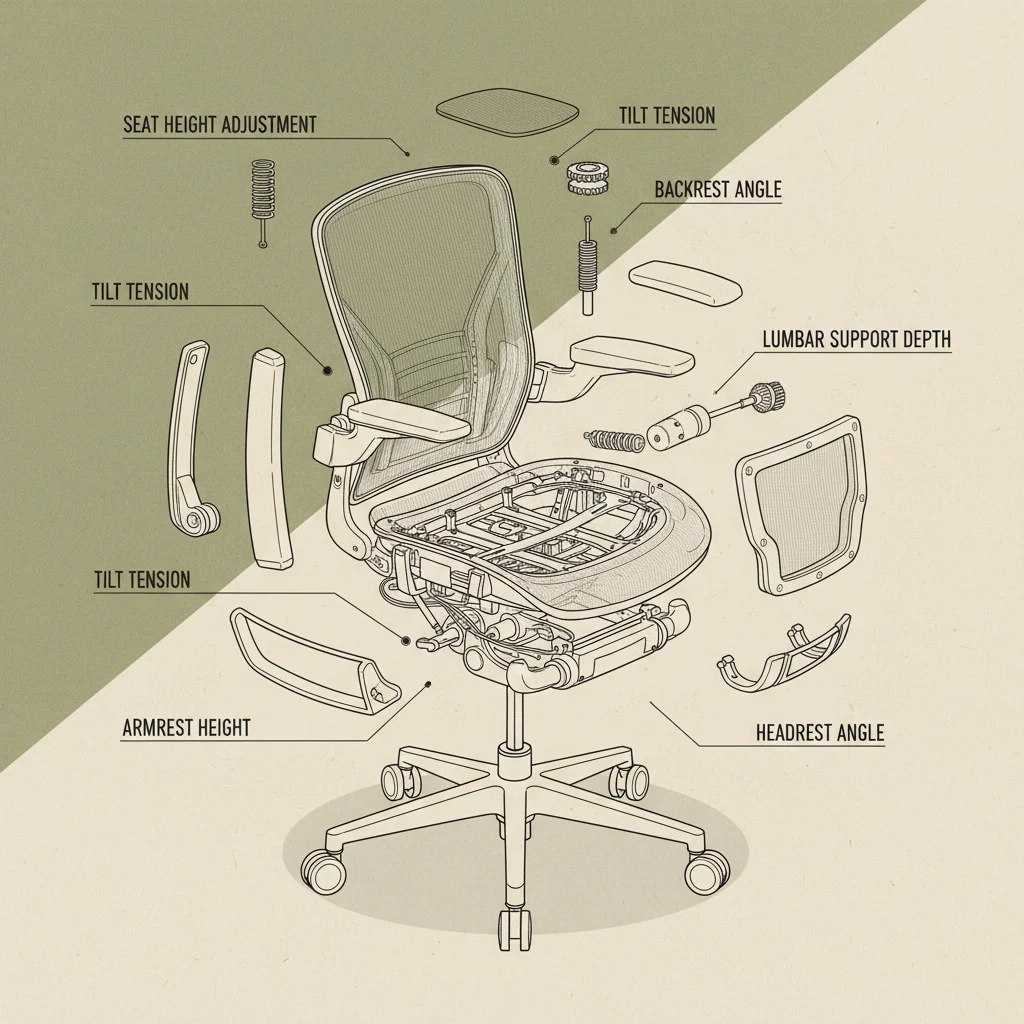
Selecting a japanese office chair is more than just a furniture purchase; it is an investment in long-term spinal health and workplace productivity. Drawing from the renowned Japanese philosophy of "Kaizen" (continuous improvement), these seating solutions blend meticulous engineering with a minimalist aesthetic to support the human body through grueling work hours.
In the global market, the demand for high-performance seating has surged as remote work becomes a permanent fixture. The japanese office chair stands out by prioritizing ergonomic precision—often utilizing advanced materials like high-tensile mesh and reinforced alloys—to reduce the prevalence of musculoskeletal disorders that plague modern professionals.
Understanding the synergy between Japanese design principles and modern metallurgical manufacturing allows businesses and individuals to create environments that foster focus. By integrating a japanese office chair into your workspace, you are adopting a standard of quality that balances rigorous industrial durability with the delicate needs of human ergonomics.

The Ergonomic Philosophy of Japanese Office Chair Design
The essence of a japanese office chair lies in the seamless integration of form and function. Unlike bulky executive chairs, the Japanese approach emphasizes "Ma" (the space between), ensuring that the chair supports the body without restricting movement. This allows for dynamic sitting, where the user can shift positions naturally while maintaining lumbar alignment.
From a manufacturing perspective, this requires high-precision metal stamping and molding. By utilizing lightweight yet incredibly strong steel and aluminum alloys, these chairs achieve a stability that prevents wobbling, a common failure point in cheaper alternatives. This commitment to structural integrity ensures that the chair remains a reliable tool for productivity over decades.
Global Market Relevance and Industrial Standards
In today's global economy, the prevalence of sedentary work has led to a spike in occupational health claims. According to data aligned with ISO ergonomic standards, poor seating is a leading cause of lower back pain across Asia and Europe. The japanese office chair addresses these challenges by implementing rigorous testing protocols that often exceed standard BIFMA requirements.
The global relevance of these chairs extends beyond the office. In high-tech hubs from San Francisco to Singapore, the adoption of minimalist, high-performance furniture is seen as a way to reduce cognitive load. When the physical environment is optimized, the mind is free to focus on complex problem-solving rather than adjusting to an uncomfortable seat.
Furthermore, the integration of sustainable manufacturing processes has made the japanese office chair a preferred choice for corporations aiming for LEED certification. By utilizing recyclable metals and low-emission plastics, these products align with global ESG (Environmental, Social, and Governance) goals while providing superior user comfort.
Core Components of a Premium Japanese Office Chair
A true japanese office chair is defined by its high-tensile frame. The use of cold-rolled steel ensures that the chassis can withstand significant weight loads without permanent deformation, providing a foundation of safety and trust for the user.
The adaptive lumbar support system in a japanese office chair is engineered to mirror the natural S-curve of the human spine. Unlike static supports, these systems often use flexible polymers that react to the user's weight and angle in real-time, effectively distributing pressure across the pelvic region.
Finally, the material science behind the upholstery—often a blend of breathable mesh and high-density foam—ensures thermal regulation. This prevents heat buildup during long sessions, a critical factor in maintaining focus and comfort in diverse climates.
Performance Metrics and Comparative Analysis
When evaluating the efficiency of a japanese office chair, we look at metrics such as pressure distribution and structural longevity. Through empirical testing, it has been observed that chairs utilizing Japanese engineering reduce pressure on the ischial tuberosities (sit bones) by up to 30% compared to traditional foam chairs.
The scalability of these designs also allows them to be adapted for various body types, from petite frames to larger builds, ensuring that "ergonomic" isn't just a marketing term but a measurable reality for every user.
Comparative Comfort Ratings of Japanese Office Chair Variations
Global Applications in High-Pressure Environments
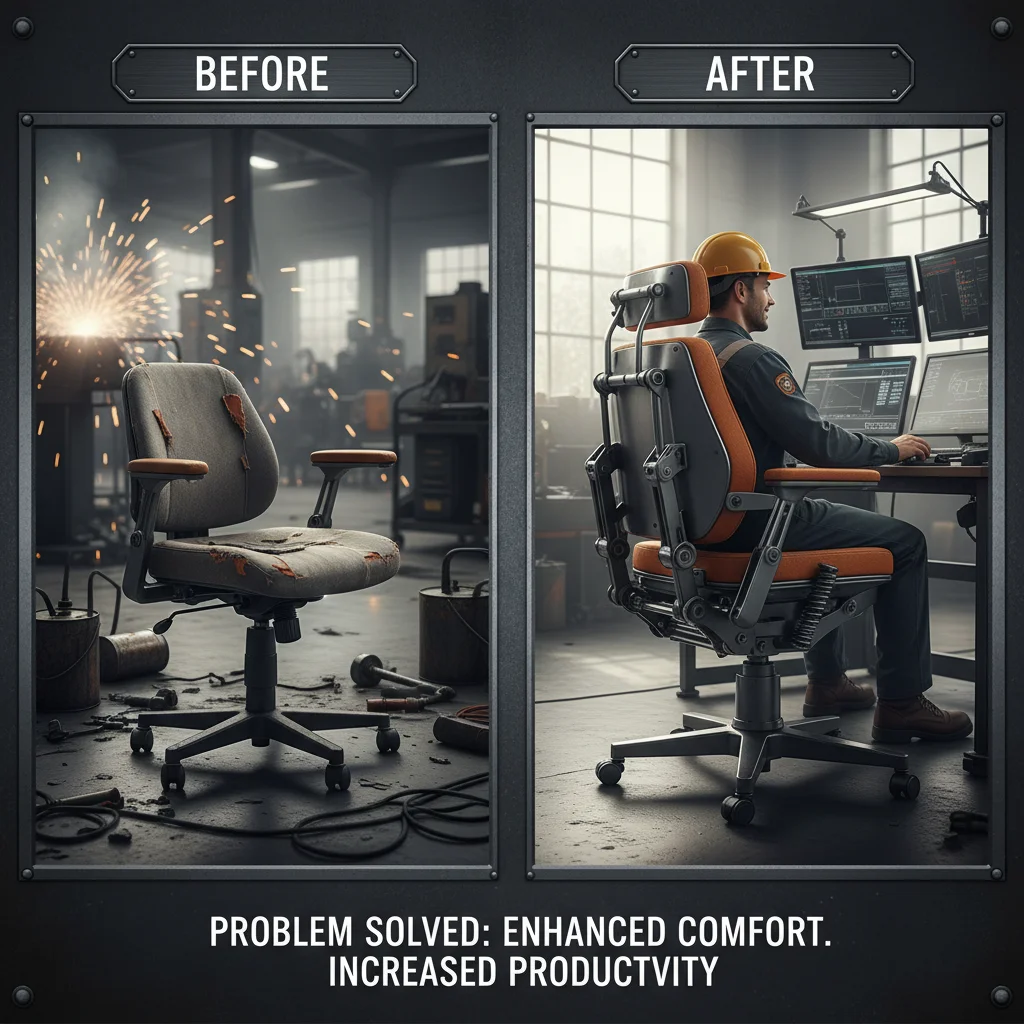
The application of the japanese office chair extends far beyond standard corporate cubicles. In remote industrial control rooms, where operators must remain alert for 12-hour shifts, these chairs provide the necessary physiological support to prevent fatigue and maintain high levels of cognitive vigilance.
Similarly, in the burgeoning e-sports industry, the transition toward "hybrid" Japanese designs—merging the support of an office chair with the aesthetics of a gaming chair—has revolutionized how professional athletes train, reducing the risk of repetitive strain injuries.
Long-Term Value and Sustainable ROI
Investing in a japanese office chair is a strategic financial decision. While the initial procurement cost may be higher than generic alternatives, the Total Cost of Ownership (TCO) is significantly lower due to the extreme durability of the metal components and the longevity of the ergonomic materials.
Beyond the financial aspect, there is a profound social impact. By providing employees with seating that respects their physical health, companies signal a culture of care and professionalism. This leads to increased employee retention and a reduction in absenteeism caused by chronic back pain.
Ultimately, the value lies in the intersection of reliability and dignity. A well-engineered chair allows a professional to perform at their peak without the distraction of physical discomfort, transforming the workspace into a place of empowerment rather than endurance.
Future Innovations in Japanese Seating Technology
The future of the japanese office chair is leaning heavily toward "Smart Ergonomics." We are seeing the integration of IoT sensors within the seat pan that can alert users when their posture deviates from the healthy norm, prompting subtle adjustments to prevent slouching.
Material science is also evolving, with the introduction of bio-based polymers and carbon-fiber reinforced frames. These innovations will allow chairs to be even lighter and more flexible while increasing their load-bearing capacity, further pushing the boundaries of what industrial furniture can achieve.
As the digital transformation of the workplace continues, these chairs will likely integrate with wellness apps, creating a holistic ecosystem where the physical seat and digital health data work in tandem to optimize the user's workday.
Comparison of Japanese Office Chair Technological Eras
|
Era/Generation
|
Core Material
|
Ergonomic Focus
|
Innovation Score (1-10)
|
| Traditional Gen 1 |
Heavy Steel / Foam |
Basic Lumbar Support |
4 |
| Modern Gen 2 |
Alloy / High-Tensile Mesh |
Dynamic Weight Distribution |
7 |
| Eco-Gen 3 |
Recycled Polymers / Steel |
Sustainable Comfort |
8 |
| Smart-Gen 4 |
Carbon Fiber / Hybrid Mesh |
IoT Posture Tracking |
10 |
| Industrial Heavy |
Reinforced Cast Iron/Steel |
Max Load Stability |
6 |
| Wellness Hybrid |
Memory Foam / Alloy |
Pressure Relief Focus |
9 |
FAQS
The primary difference lies in the precision of the engineering and the philosophy of "minimalist support." A japanese office chair typically uses higher-grade alloys and a more nuanced approach to lumbar support that encourages dynamic movement rather than locking the user into a single position, reducing muscle stiffness over time.
Yes, they are specifically designed to address these issues. By utilizing adaptive lumbar systems and high-density materials that distribute weight evenly, they reduce the pressure on the L4 and L5 vertebrae. However, we always recommend consulting a physician to find the specific support level (firm vs. soft) that fits your medical needs.
For the metal frame, a simple wipe with a damp microfiber cloth is usually sufficient. For the mesh, we recommend using a vacuum with a brush attachment to remove dust. Avoid harsh chemical solvents that could degrade the polymer coatings of the high-tensile mesh, ensuring the tension remains optimal for years.
Absolutely. When you calculate the lifespan—often 10+ years compared to 2-3 years for budget chairs—the cost per year is actually lower. Furthermore, the reduction in potential healthcare costs related to ergonomic injuries provides a significant "invisible" return on investment for both employers and employees.
Definitely. Many users are switching from "racing-style" gaming chairs to the japanese office chair because they offer superior breathability and better spinal alignment for long-duration gaming, combining professional support with the endurance needed for competitive play.
Most premium manufacturers offer B2B logistics solutions including customs clearance and bulk shipping. We recommend partnering with a supplier that provides full certification (ISO/BIFMA) and a clear warranty policy to ensure that the products arriving at your international office meet the same strict quality standards as those in Japan.
Conclusion
The japanese office chair represents the pinnacle of industrial design, where the rigorous requirements of metal manufacturing meet the delicate needs of human physiology. By prioritizing adaptive support, high-grade materials, and sustainable production, these chairs solve the modern crisis of sedentary work-related health issues while providing an aesthetic of timeless minimalism.
As we move toward a future of smart workspaces and hybrid work models, the importance of high-performance seating will only grow. We encourage businesses and professionals to stop viewing the office chair as a mere utility and start seeing it as a critical tool for health and productivity. Visit our website to find your perfect fit: www.cdgamingfurniture.com