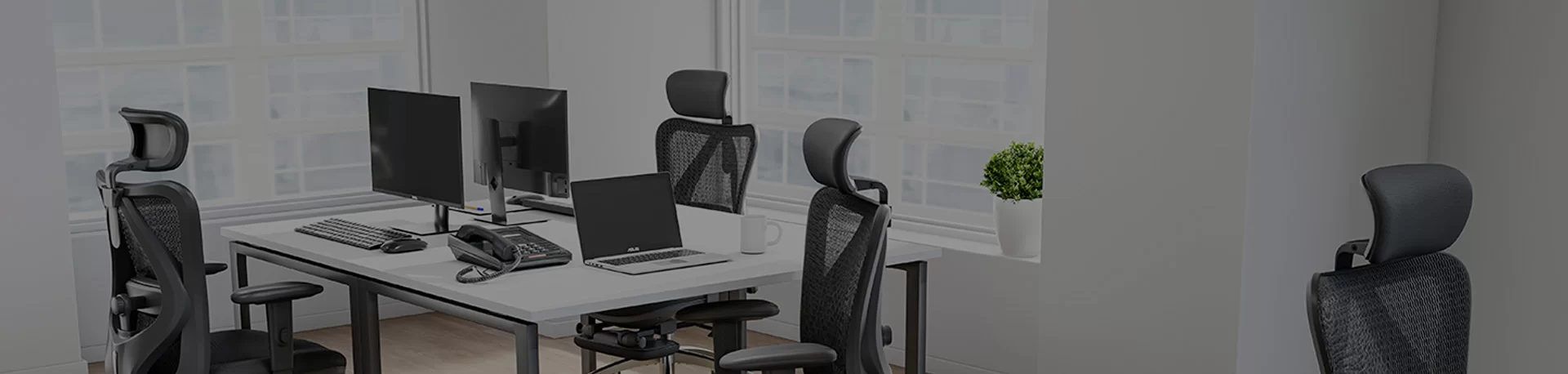
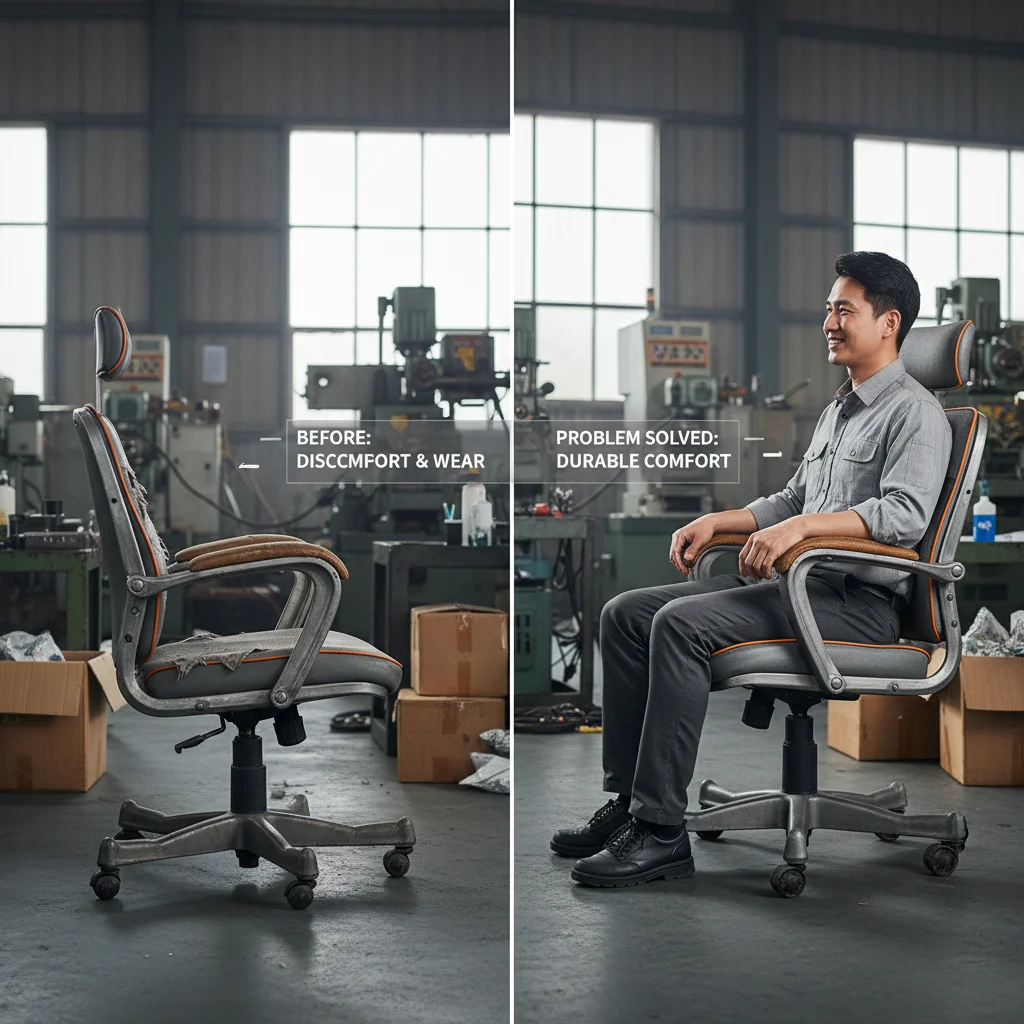
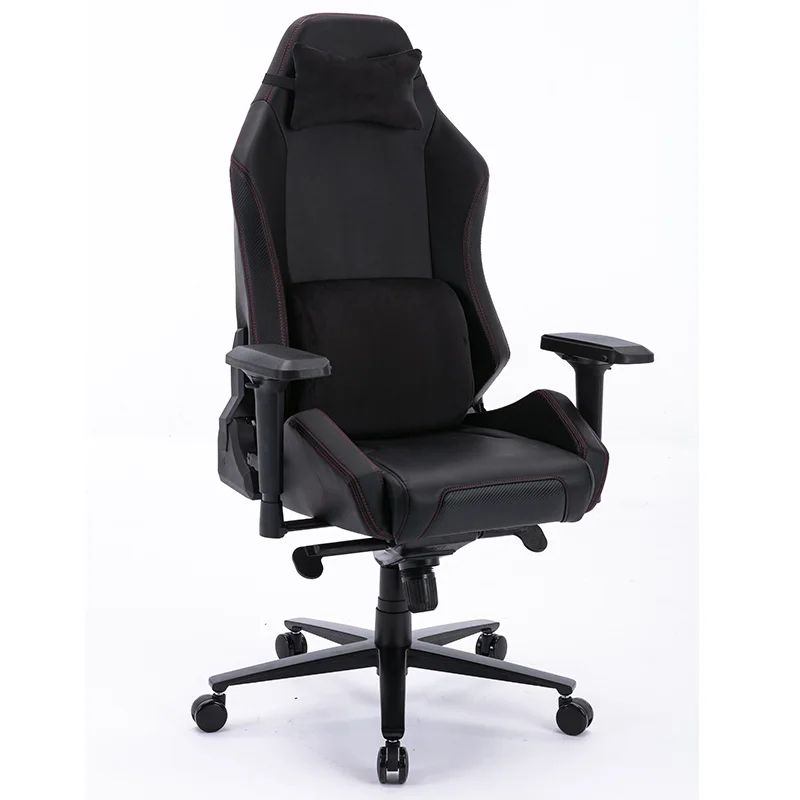
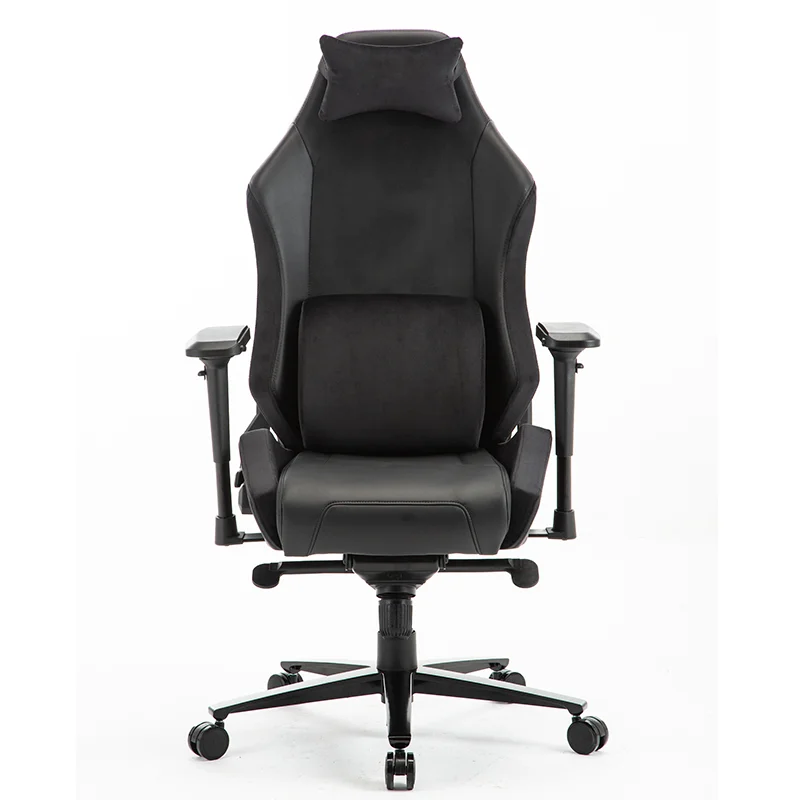
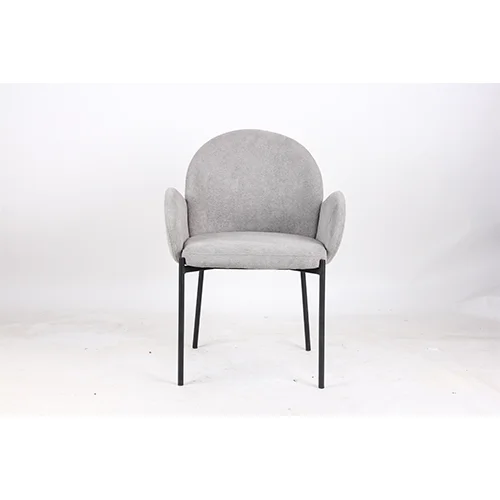
A comfortable office chair provides supportive cushioning, ergonomic design, and smooth adjustability to help reduce fatigue and improve posture. It creates a relaxed, productive workspace where you can sit for long hours with ease.
Breathable Mesh Chair
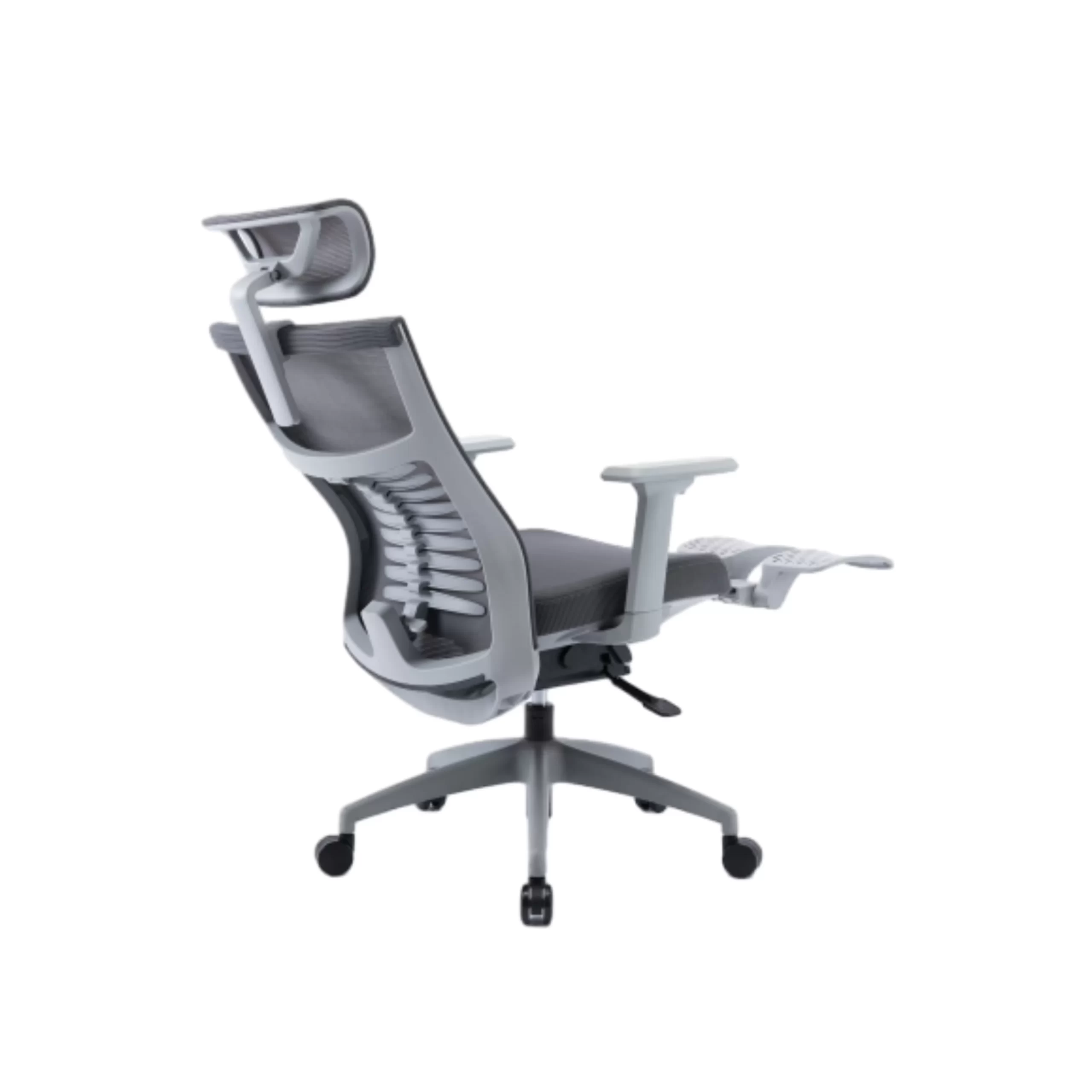
A breathable mesh chair offers excellent airflow, keeping you cool and comfortable during long work hours. Its ergonomic support, flexible mesh backrest, and lightweight design create a refreshing and comfortable seating experience.
Customized Office Chair
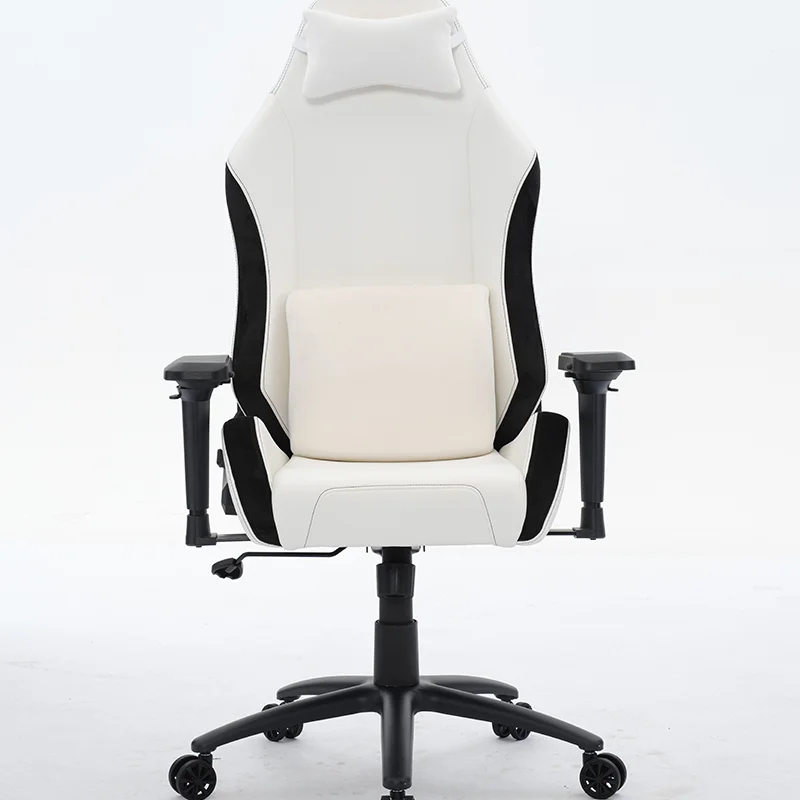
A customized office chair allows you to tailor every detail—from materials and colors to ergonomic features—creating a seating solution that matches your style and comfort needs. It delivers personalized support for a better work experience.
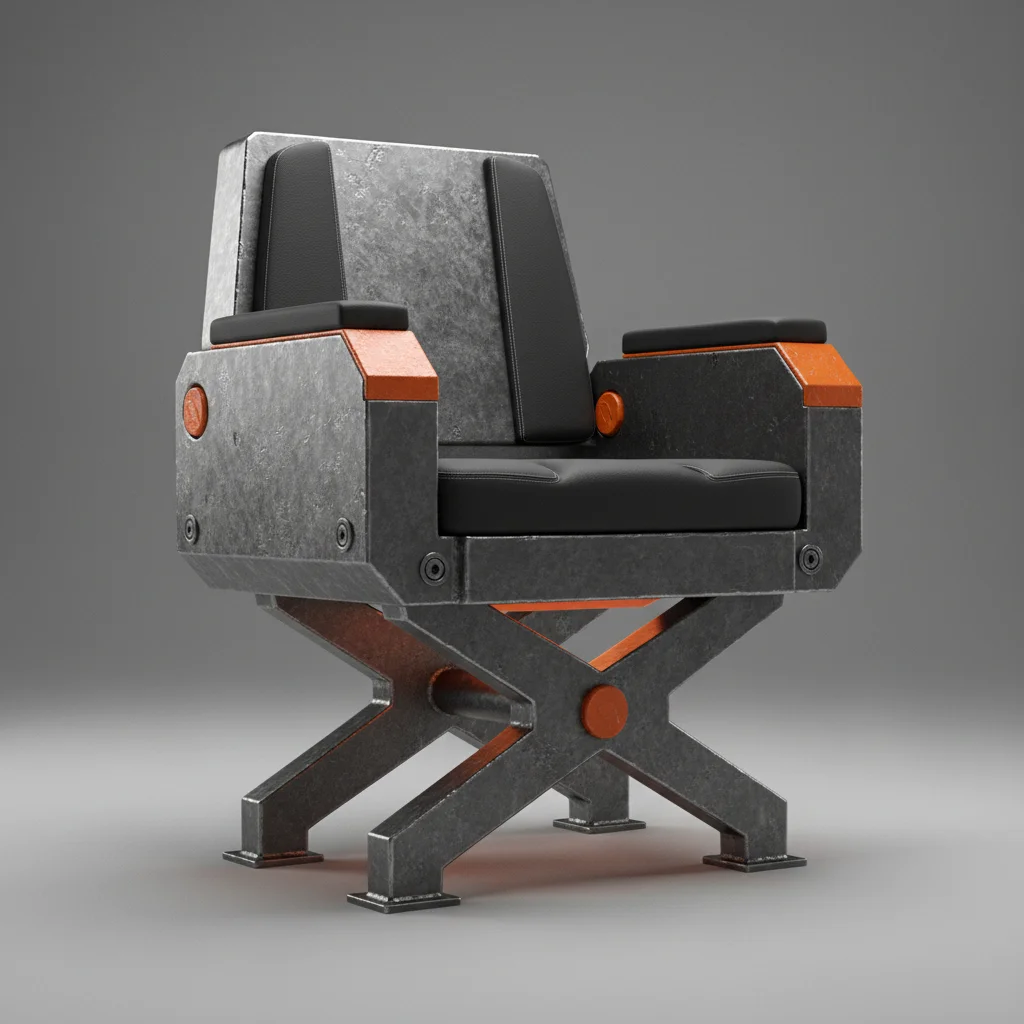
The need for robust and reliable chairs is universal, but particularly critical for individuals requiring specialized support due to their weight. The market for chairs for heavy people has grown significantly, driven by increasing awareness of the health risks associated with inadequate seating and a greater emphasis on inclusivity. These chairs aren’t simply about capacity; they are about providing comfort, promoting good posture, and ensuring long-term wellbeing. Globally, the demand for durable and supportive seating solutions is escalating. Statistics indicate a rising prevalence of obesity and associated health concerns in many countries (World Health Organization data shows over 650 million adults were obese in 2016). This demographic requires furniture designed to accommodate their needs, minimizing pressure points and preventing premature wear and tear. Chairs for heavy people address this vital requirement. The core benefit of understanding the nuances of seating for heavier individuals extends beyond simply providing a place to sit.
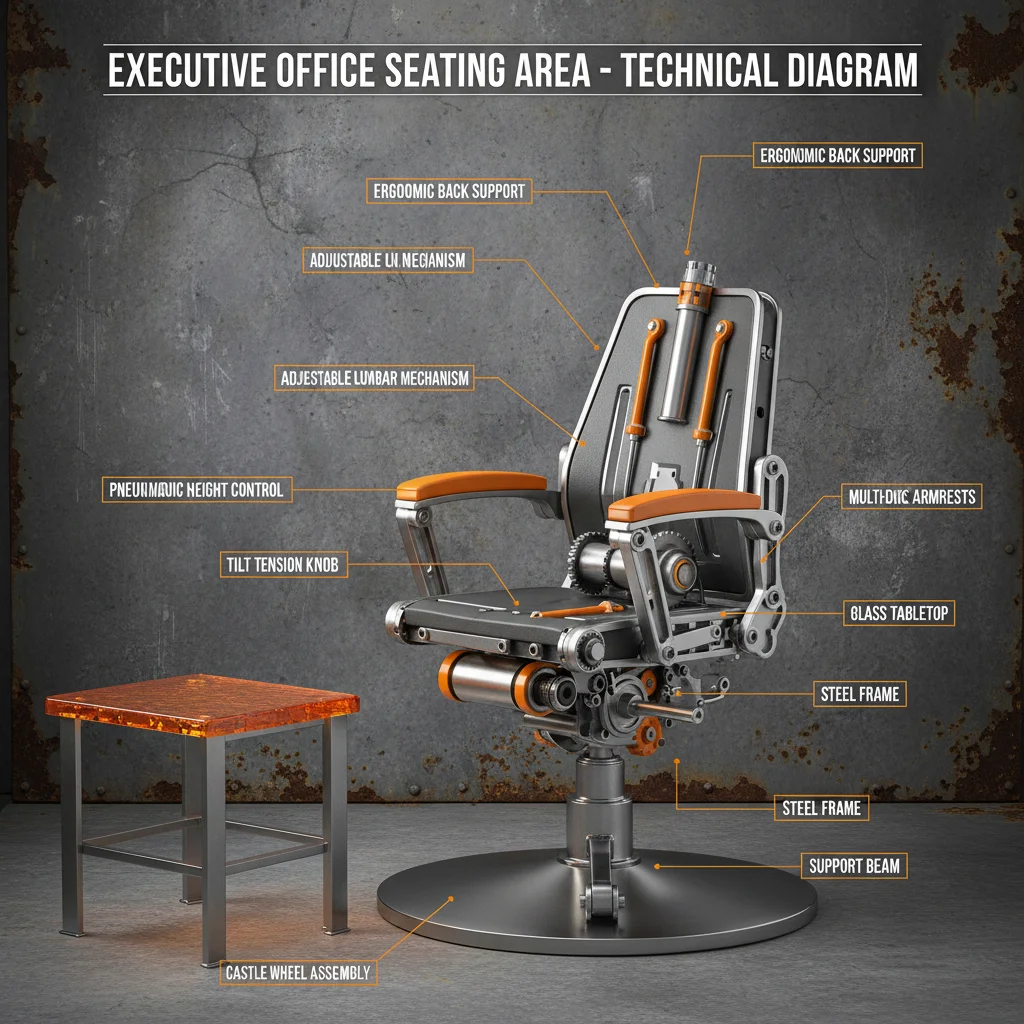
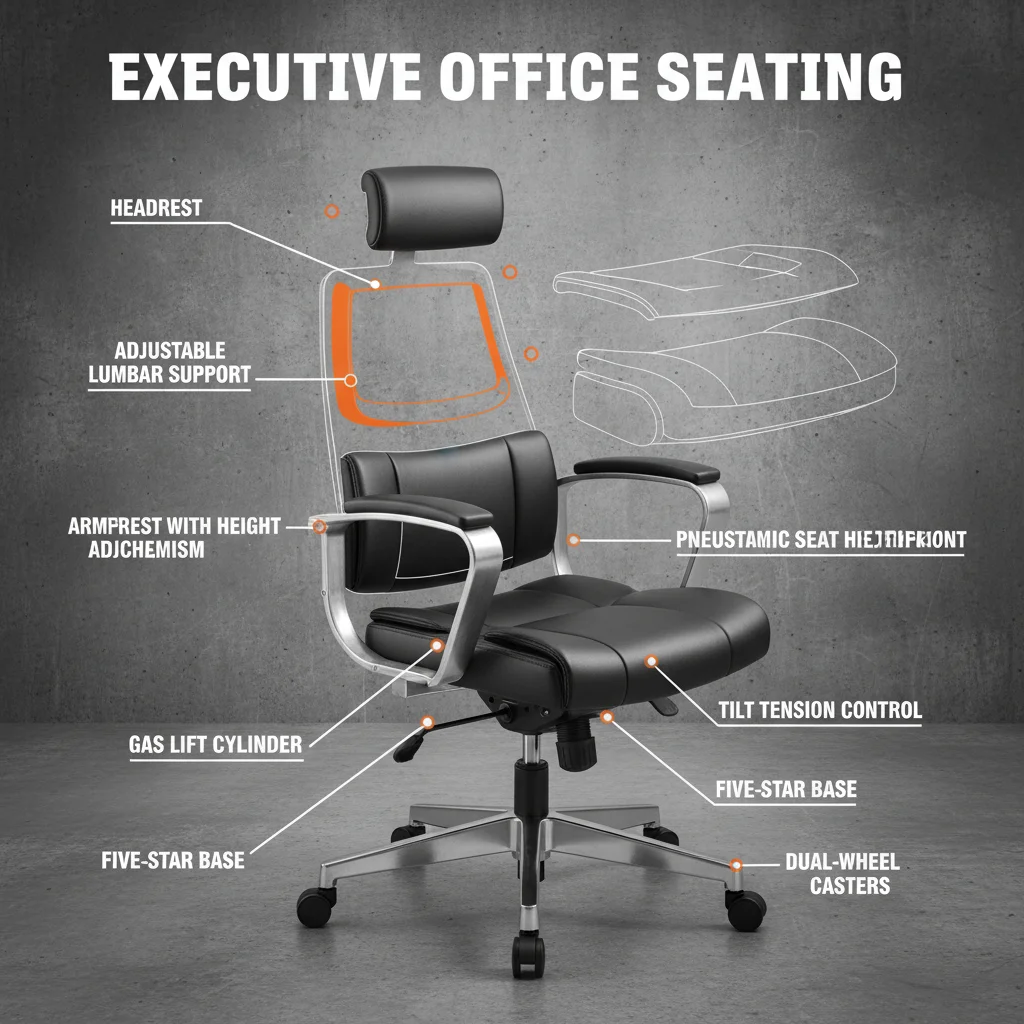
Designing an executive office seating area is no longer just about placing a high-back chair behind a heavy mahogany desk; it is about creating a strategic hub of productivity and prestige. In the modern corporate landscape, the physical environment of a leader directly influences the psychological tone of the entire organization, blending authority with accessibility. Globally, the shift toward hybrid work models has redefined how we perceive the executive suite. A well-curated executive office seating area serves as a critical touchpoint for high-stakes negotiations, creative brainstorming, and focused strategic planning, making the intersection of ergonomics and aesthetics a business necessity.
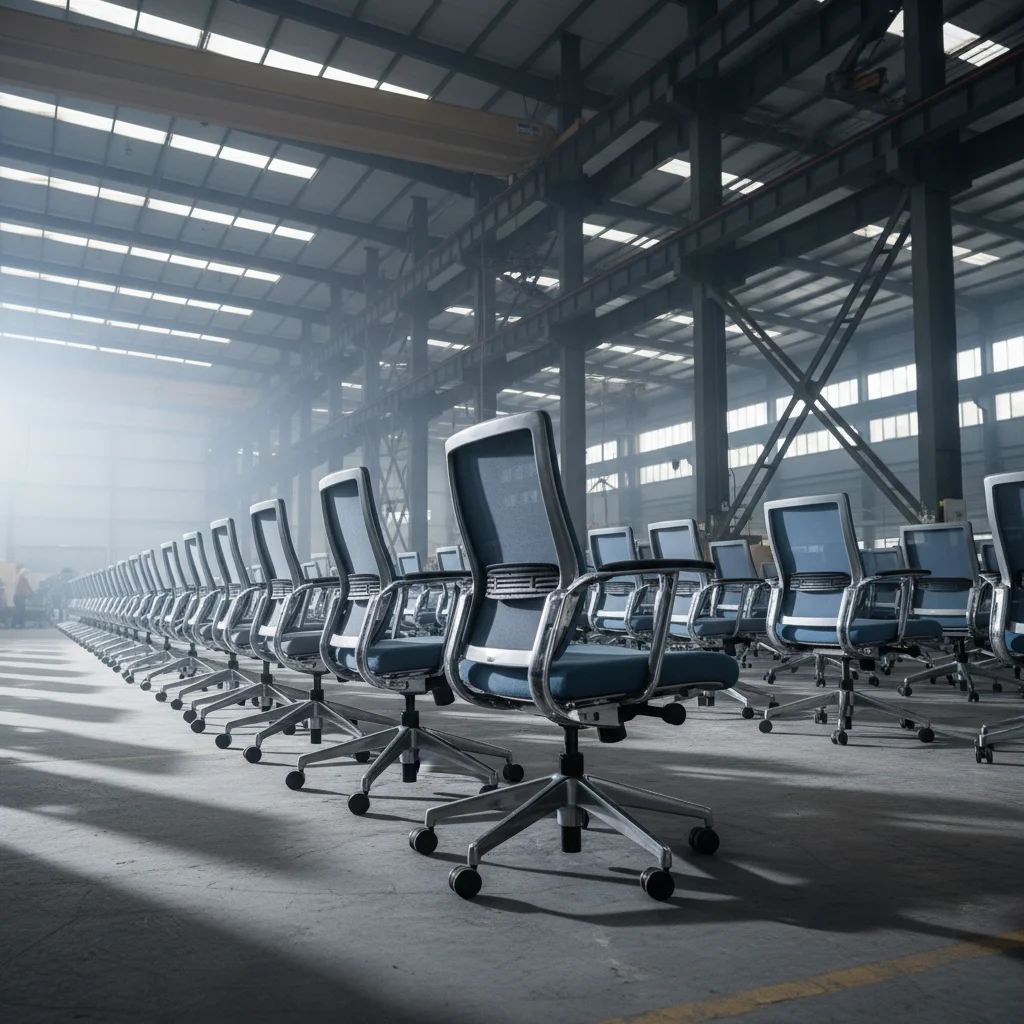
In today's demanding work environments, selecting the appropriate clerical chair is crucial for employee well-being and productivity. A well-designed chair provides the necessary support, promotes good posture, and reduces the risk of discomfort and long-term health issues. This article will delve into the key features to look for in a clerical chair, explore different types available, and offer guidance on choosing the perfect chair to meet your specific needs. Investing in quality seating is an investment in your workforce. Ergonomics plays a vital role in designing a comfortable and supportive clerical chair. Ergonomic chairs are engineered to align with the natural curvature of the spine, reducing strain on the back, neck, and shoulders. Key ergonomic features include adjustable seat height, lumbar support, adjustable armrests, and a breathable mesh back. These features allow users to customize the chair to their individual body type and preferences, promoting a healthy and productive work posture.
Executive office seating is more than just a comfortable place to sit; it’s a vital component of workplace well-being, productivity, and even brand image. In today’s dynamic work environment, the demand for ergonomic, adaptable, and aesthetically pleasing executive office seating is consistently growing. This isn’t limited to traditional corporate offices either; the rise of remote work and hybrid models further amplifies the need for high-quality seating solutions that support prolonged periods of focus and collaboration.