In the rapidly evolving landscape of digital entertainment and remote professional work, the importance of a high-quality gamer desk and chair combination cannot be overstated. As gaming transcends being a mere hobby to become a global competitive sport and a primary social outlet, the physical infrastructure supporting the user has shifted from simple office furniture to highly engineered ergonomic systems. Investing in the right setup is no longer about aesthetics alone; it is about sustaining peak performance and protecting long-term health.
Globally, the demand for specialized gaming furniture has surged, driven by the rise of e-sports and the proliferation of home-based workstations. Industry data suggests that the average heavy user spends between 6 to 12 hours daily in their seated position, making the interaction between the body and the furniture a critical health variable. Without a properly calibrated gamer desk and chair, users face a high risk of musculoskeletal disorders, chronic back pain, and repetitive strain injuries that can diminish both gaming skill and professional productivity.
Understanding the synergy between a supportive chair and a stable desk allows users to optimize their "battle station" for maximum efficiency. From the precision of a wrist-rest to the lumbar support of a high-back chair, every detail contributes to a holistic environment that reduces fatigue and enhances cognitive focus. This guide explores the technical specifications, ergonomic benefits, and future trends of the modern gaming ecosystem to help you make an informed investment in your physical well-being.

The Fundamental Ergonomics of Gamer Desk and Chair
The core philosophy behind a professional gamer desk and chair is the alignment of the human skeletal structure with the workspace. Proper ergonomics ensure that the spine maintains its natural "S" curve, reducing the pressure on the lumbar discs. When the chair's height is synchronized with the desk's surface, the user's elbows can rest at a 90-degree angle, which significantly mitigates the risk of carpal tunnel syndrome and shoulder tension during intense gaming sessions.
Beyond simple alignment, the dynamic nature of gaming requires furniture that adapts to movement. A high-quality setup allows for subtle shifts in posture—tilting back during cinematic moments or leaning forward during high-stakes competition—without sacrificing support. This versatility is what separates professional-grade equipment from standard office furniture, as it acknowledges that the user's physical needs change throughout a session.
Material Engineering in Modern Gaming Furniture
The durability of a gamer desk and chair depends heavily on the metallurgy and textile science employed during manufacturing. Most premium desks utilize cold-rolled steel frames with powder-coating to prevent corrosion and ensure a wobble-free experience, which is essential for precise mouse movements. The tabletop materials vary from high-density fiberboard (HDF) with carbon fiber textures to tempered glass, each offering different balances of tactile feel and longevity.
For the seating component, the choice between PU leather, breathable mesh, and fabric is a critical decision. PU leather provides a sleek, professional look and is easy to clean, making it ideal for high-use environments. However, for users in warmer climates, high-tension mesh chairs are superior due to their thermal regulation properties, allowing air to circulate and preventing heat buildup during long hours of play.
Underneath the surface, the foam density plays a pivotal role. High-density cold-cure foam is preferred over standard sponge foam because it retains its shape over years of use, providing consistent support to the thighs and lower back. When combined with a Class-4 hydraulic gas lift, the chair ensures a smooth, safe, and stable height adjustment mechanism that can withstand significant weight loads.
Critical Components for Long-Term Health
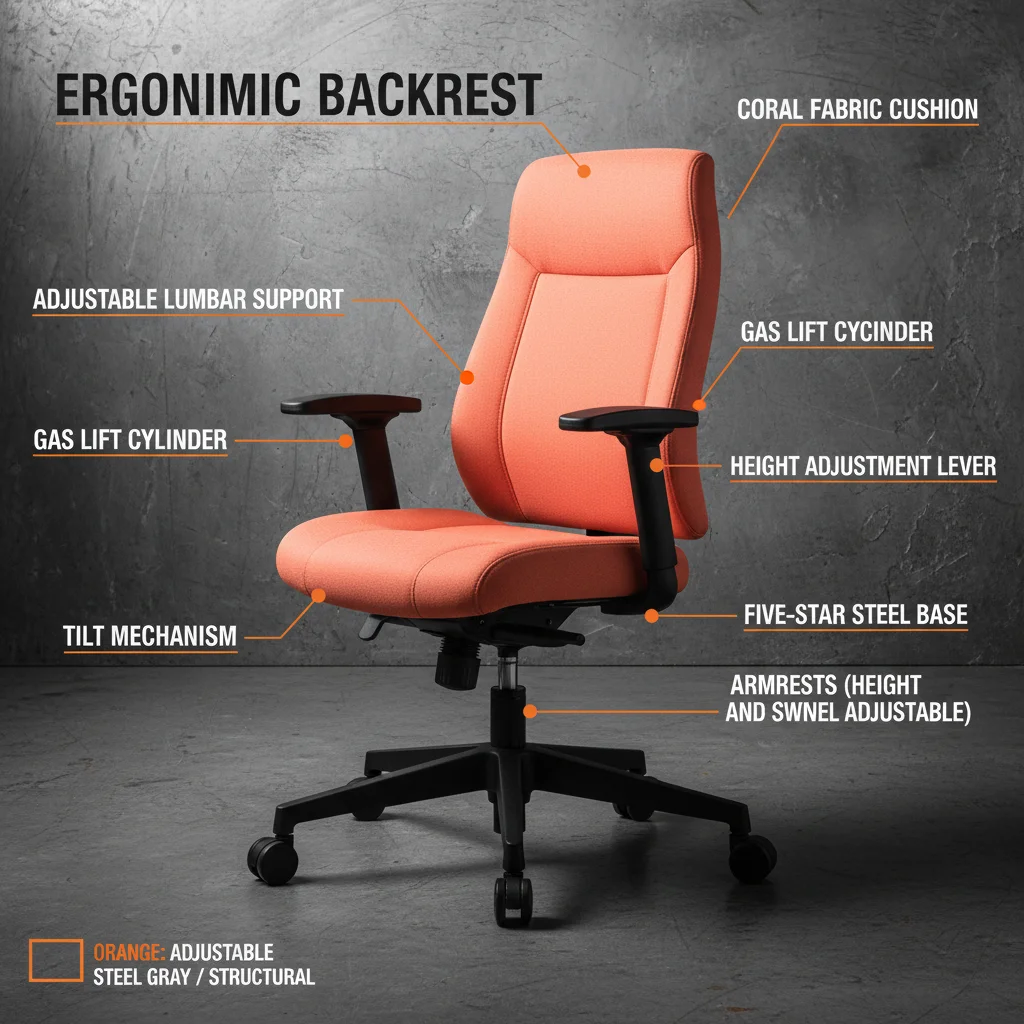
The primary objective of integrating a specialized gamer desk and chair is the prevention of chronic pain. Adjustable 4D armrests are a key feature, allowing users to modify height, depth, width, and angle to ensure the wrists are perfectly aligned with the keyboard, thereby preventing ulnar nerve compression.
Lumbar support systems in a gamer desk and chair are often the most critical health component. Whether it is a built-in adjustable lumbar pillow or an integrated mechanical support system, the goal is to fill the gap between the lower back and the chair, preventing the "slouch" that leads to long-term spinal degradation.
Complementing the chair is the desk's edge design. Beveled or curved edges reduce the pressure on the forearms, which is a common cause of numbness during extended use. When these elements are combined, they create a protective cocoon that allows the user to focus entirely on the digital experience without being distracted by physical discomfort.
Performance Metrics and Comparative Value
When evaluating the value of a gamer desk and chair, it is essential to look beyond the price tag and analyze performance metrics such as stability, breathability, and adjustability. A desk that lacks structural rigidity can introduce micro-vibrations, which may affect a gamer's accuracy in first-person shooters. Similarly, a chair with poor tilt-tension control can lead to instability and a lack of secure support.
By comparing different configurations—from entry-level ergonomic sets to professional e-sports grade stations—we can see a clear correlation between high-end material specifications and user longevity. The following data illustrates the comparative ratings of various setup methodologies based on user comfort and structural integrity.
Performance Analysis of Various Gamer Desk and Chair Configurations
Global Applications and Versatile Use Cases
The application of a professional gamer desk and chair extends far beyond the bedroom of a teenage gamer. In the corporate world, many software developers and data analysts are adopting gaming furniture to combat the rigors of long-term coding sessions. The high level of adjustability found in gaming chairs provides the necessary support for "deep work" phases where users remain stationary for several hours.
Furthermore, in the realm of professional e-sports academies across Asia and North America, these setups are standardized to ensure that every athlete has an identical ergonomic baseline. This removes physical discomfort as a variable in performance, allowing the focus to remain on skill and strategy. Even in home-office hybrid models, the gaming aesthetic is being merged with professional minimalism to create versatile spaces that serve both productivity and leisure.
Sustainability and Environmental Impact
As the manufacturing industry moves toward a circular economy, the production of gamer desk and chair units is undergoing a green transformation. Leading manufacturers are replacing virgin plastics with recycled ocean plastics and utilizing FSC-certified wood for desk surfaces. This shift not only reduces the carbon footprint but also ensures that the products are more sustainable over their entire lifecycle.
Modular design is another critical trend in sustainability. By creating chairs and desks with replaceable components—such as swappable seat cushions or modular desk extensions—companies are extending the lifespan of the product. Instead of discarding an entire chair when the upholstery wears out, users can simply replace the fabric, significantly reducing landfill waste.
Moreover, the use of non-toxic, VOC-free coatings and adhesives ensures that the indoor air quality of the user's room is not compromised. This holistic approach to sustainability reflects a growing consumer demand for products that are as kind to the planet as they are to the human body, blending high performance with ethical responsibility.
Future Innovations in Gaming Workstations
The next generation of the gamer desk and chair will likely be defined by the integration of smart technology. We are already seeing the emergence of "active ergonomics," where chairs use sensors to detect poor posture in real-time and provide haptic feedback or subtle automatic adjustments to nudge the user back into a healthy position.
On the desk front, the transition toward fully automated height-adjustable surfaces is accelerating. Future desks will likely integrate with health apps to remind users to stand every hour, with presets that automatically adjust based on the user's height and the specific task they are performing (e.g., a higher setting for typing and a lower setting for controller gaming).
Additionally, the integration of built-in cable management systems powered by magnetic tracks and embedded wireless charging surfaces will eliminate clutter entirely. This convergence of furniture and electronics transforms the workstation from a passive set of tools into an active partner in the user's digital lifestyle.
Technical Analysis of Future Gaming Workstation Trends
| Innovation Feature |
Impact on User |
Implementation Level |
Sustainability Score |
| Haptic Posture Correction |
Real-time spinal alignment |
Experimental |
7/10 |
| Automatic Height Sync |
Reduced sedentary fatigue |
Early Adoption |
8/10 |
| Recycled Ocean Plastic Frame |
Eco-friendly durability |
Widely Available |
10/10 |
| Embedded Wireless Charging |
Clutter-free workspace |
Standardizing |
6/10 |
| Modular Component Swapping |
Extended product lifespan |
Growing |
9/10 |
| AI-Driven Thermal Control |
Optimal body temperature |
Prototype |
5/10 |
FAQS
The ideal height is achieved when your feet are flat on the floor and your knees are bent at a 90-degree angle. Your armrests should be level with the desk surface so that your shoulders remain relaxed and your elbows form a 90-degree angle while typing or gaming. If the desk is too high, you may experience shoulder strain; if too low, you will likely slouch, impacting your lumbar support.
Yes, provided it is high-quality. Gaming chairs are specifically designed for longer periods of intense use and often provide more aggressive side support and higher backs to accommodate different reclining angles. While a high-end ergonomic office chair is similar, a dedicated gaming setup often includes features like 4D armrests and specialized lumbar pillows tailored for the dynamic movements common in gaming.
It depends on your environment. PU leather is aesthetically striking, durable, and easy to wipe clean, making it great for those who eat or drink at their desk. However, mesh is far superior for breathability and temperature regulation. If you live in a hot climate or tend to overheat during intense gaming, mesh will prevent sweat buildup and keep you more comfortable over time.
Absolutely. By providing dedicated lumbar support and promoting a neutral spine position, these sets reduce the load on your intervertebral discs. The ability to adjust the height and tilt of the chair allows you to distribute your weight more evenly, while a stable desk ensures you aren't leaning forward in a way that strains your neck and upper back.
A professional-grade setup using cold-cure foam and a steel frame should typically last 5 to 10 years. The lifespan depends on the maintenance of the hydraulic gas lift and the quality of the upholstery. Choosing modular designs allows you to replace worn-out parts, further extending the life of the investment.
L-shaped desks are ideal for users with multiple monitors or those who use their setup for both gaming and professional work. They provide more surface area and allow for a more natural pivot between different tasks. Rectangular desks are better for smaller rooms and focused, single-tasking setups where space optimization is the priority.
Conclusion
In summary, the synergy between a professional gamer desk and chair is the foundation of any high-performance digital environment. By focusing on material quality, ergonomic precision, and sustainable manufacturing, users can protect their physical health while maximizing their cognitive and competitive edge. From the structural stability of the steel frame to the critical support of the lumbar system, every element plays a role in preventing injury and enhancing the overall user experience.
As we look toward a future of AI-integrated furniture and active ergonomics, the boundary between health and technology will continue to blur. We recommend that users prioritize adjustability and material breathability over mere aesthetics to ensure their setup evolves with their needs. Investing in a premium workstation is an investment in your own longevity and productivity. Visit our website for more professional solutions: www.cdgamingfurniture.com